Required Courses:
7168 Principles of Healthcare
5274 Healthcare Fundamentals
7165 Emergency Medical Tech
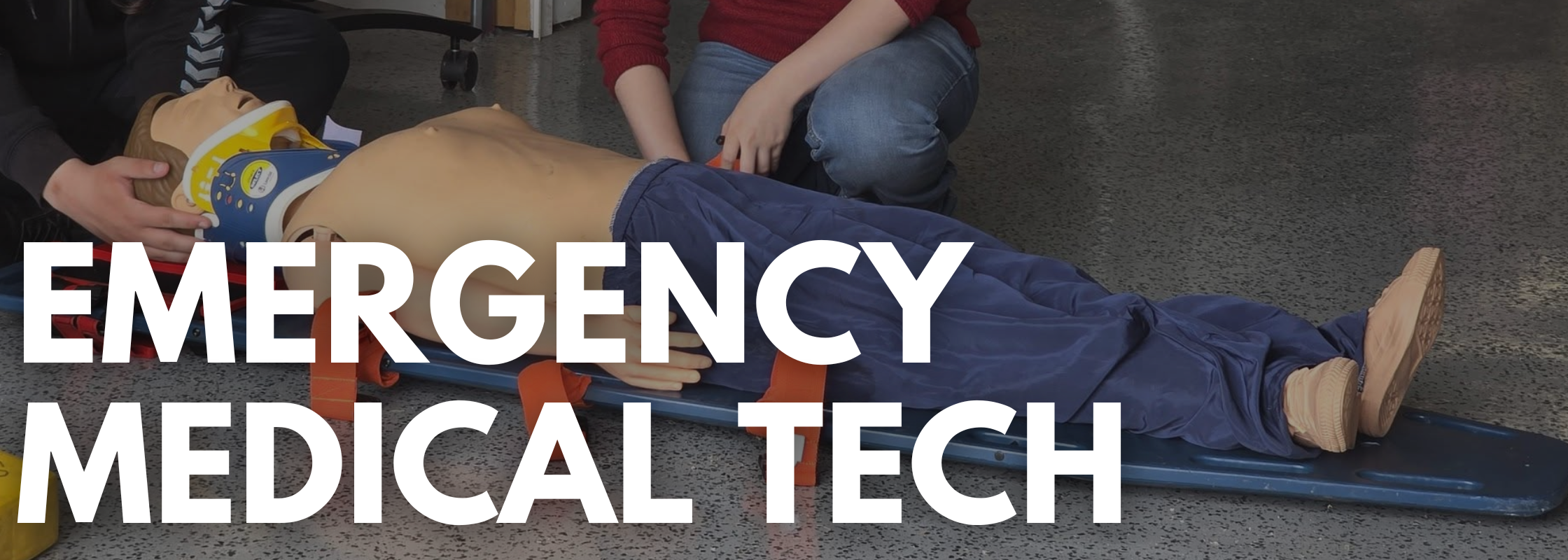
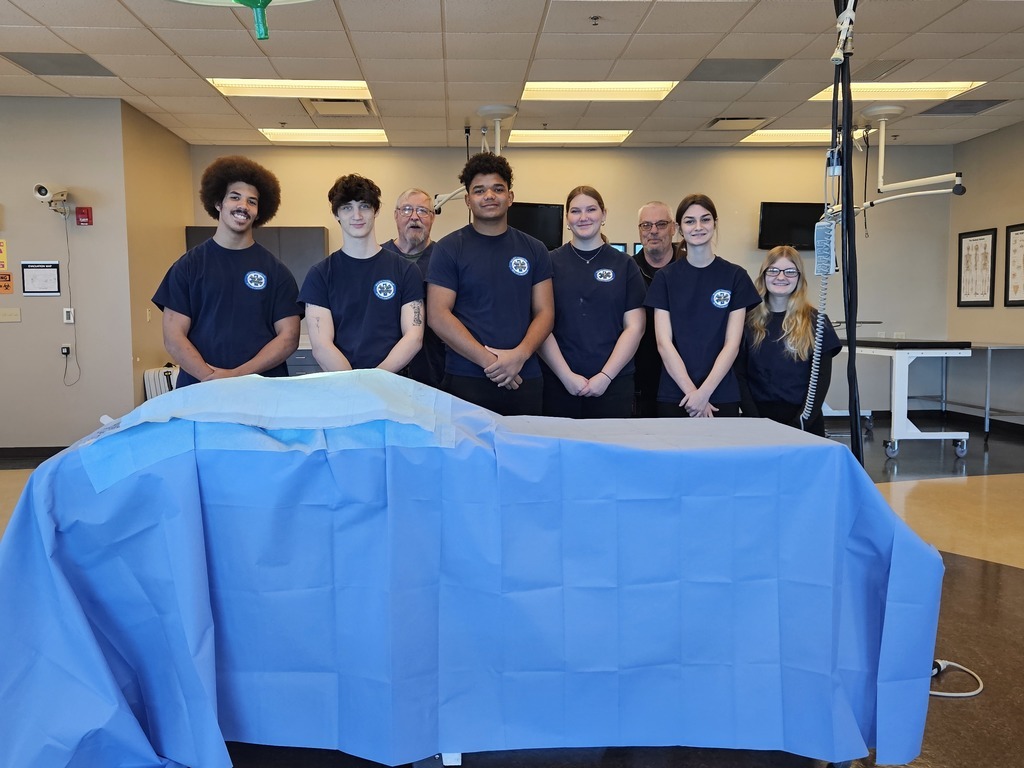
The Emergency Medical Technician (EMT) Training Program offers students a unique opportunity to gain valuable healthcare knowledge, hands-on experience, and industry-recognized certification while still in high school. Designed for motivated students interested in healthcare, emergency services, and public safety, this program provides a challenging and rewarding educational experience that prepares students for both college and career success.
About the Program
One of the greatest advantages of the EMT program is the opportunity to earn certification before graduating from high school. This credential opens doors to immediate employment opportunities and provides a competitive advantage for students entering the workforce. EMTs are in demand across the country and can work with ambulance services, hospitals, fire departments, event medical teams, industrial safety programs, and other healthcare organizations.
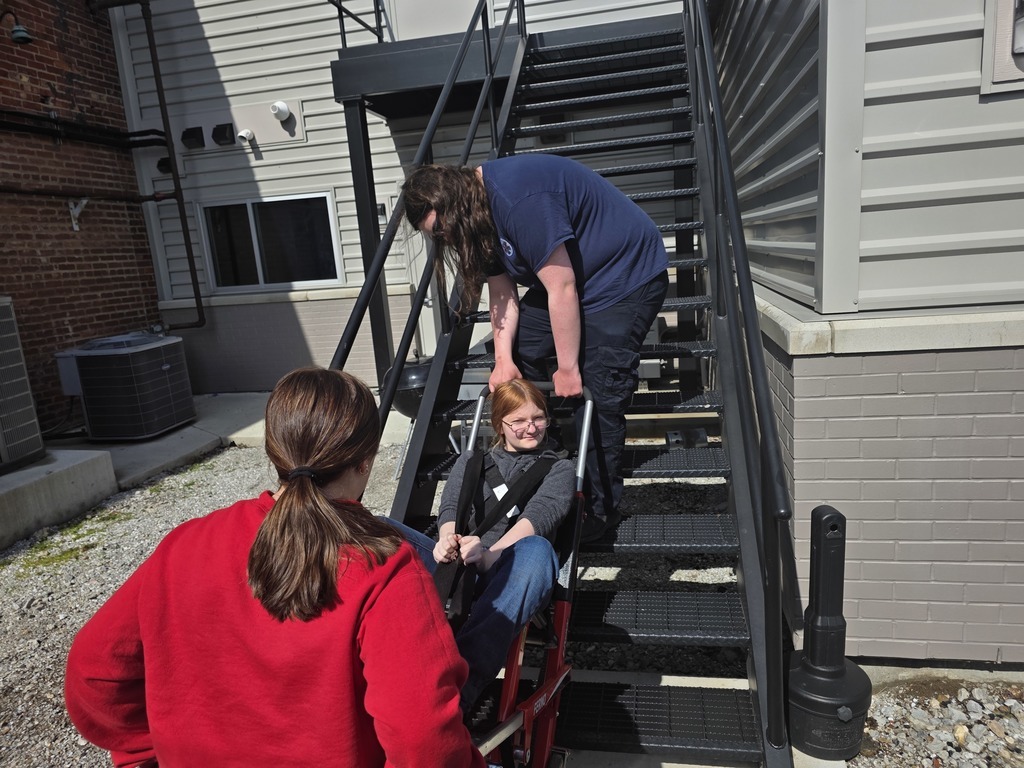
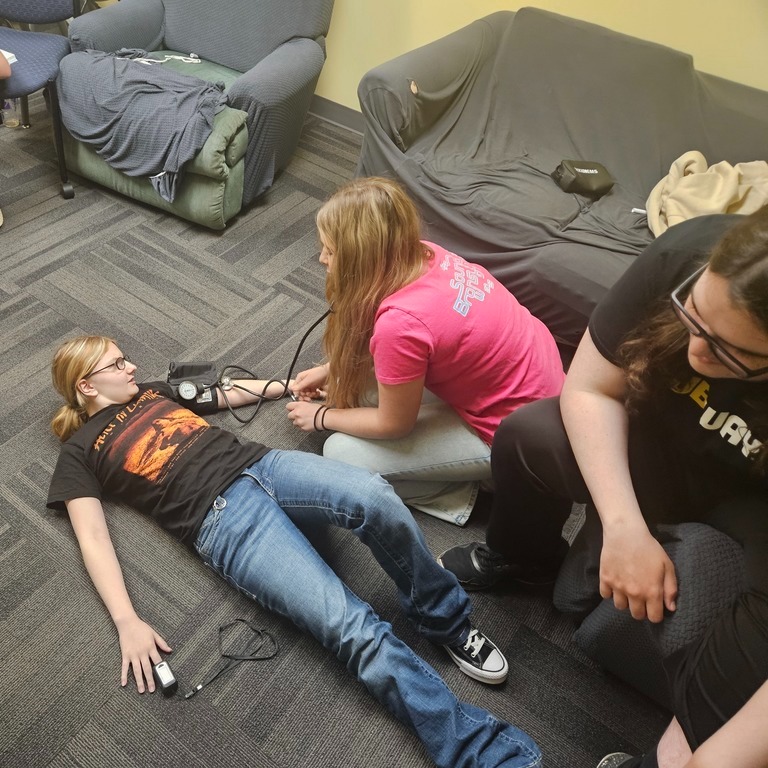
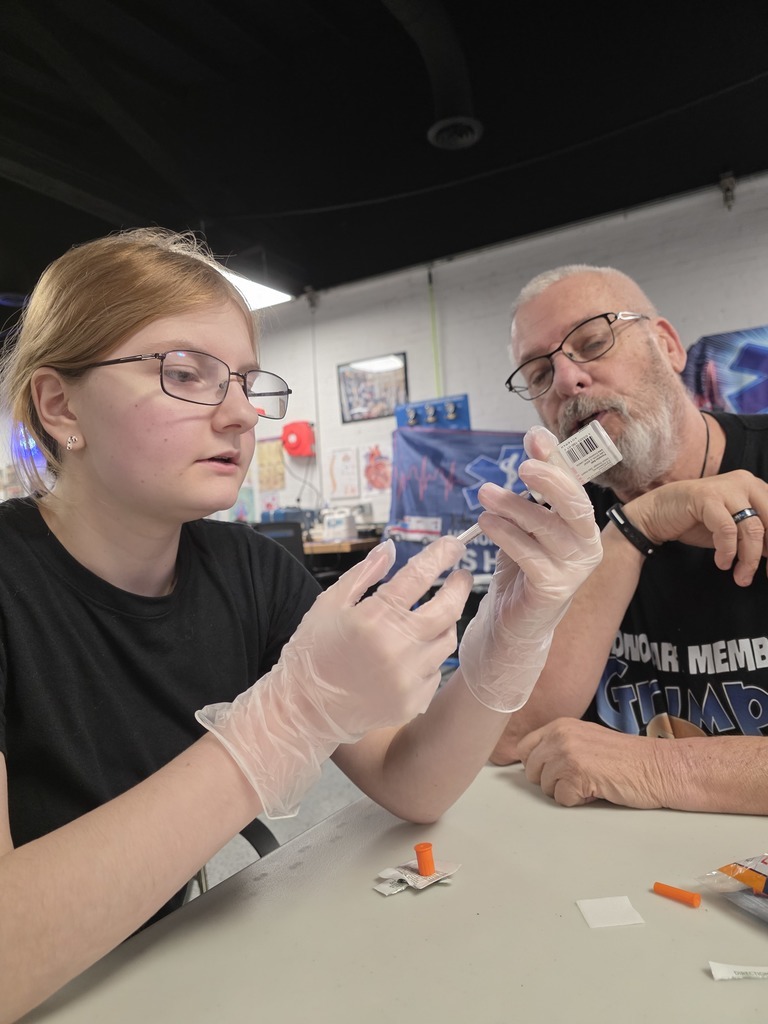
Throughout the program, students are trained in a wide range of emergency medical procedures, including patient assessment, airway management, CPR, trauma care, medical emergency response, and safe patient transportation. They learn to think critically, make decisions under pressure, and work as part of a healthcare team. These experiences help students build confidence, responsibility, leadership, and problem-solving skills that extend far beyond the healthcare field.
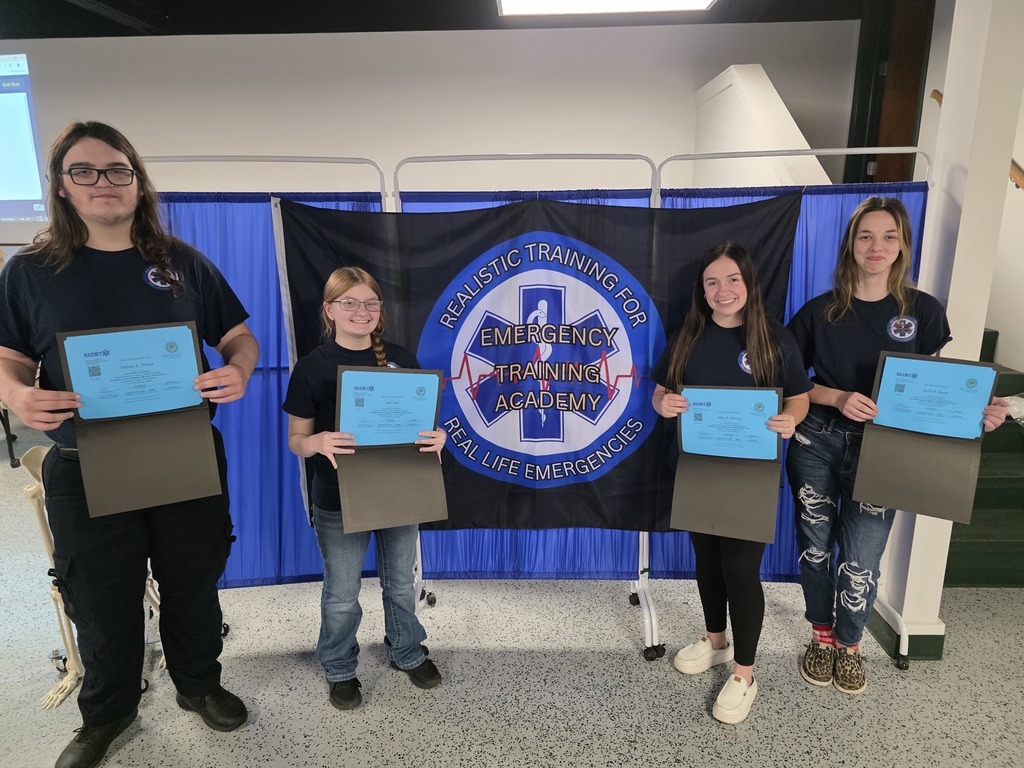
Students who complete the program leave with not only technical medical knowledge but also the confidence, professionalism, and leadership skills needed to succeed in today's workforce. Through service, teamwork, and real-world application of healthcare principles, the EMT program empowers students to make a positive impact on their communities while preparing for rewarding careers in healthcare and emergency services.
Graduation Pathway
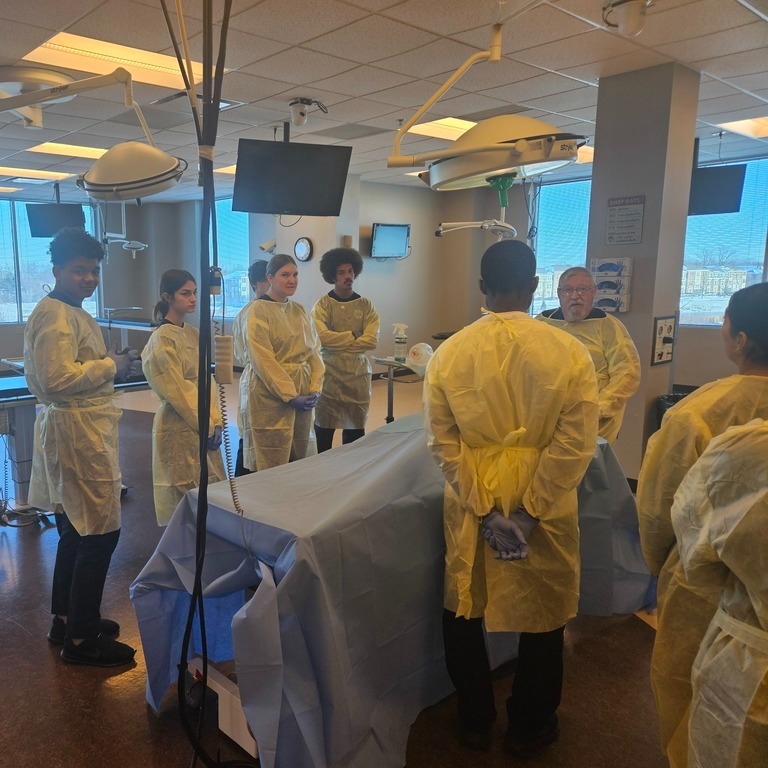
As part of Indiana's Graduation Pathways and aligned with the Principles of Healthcare course, the EMT program allows students to apply classroom learning in a real-world setting while developing skills that are highly valued by employers and postsecondary institutions. Students gain a strong foundation in medical terminology, anatomy and physiology, patient assessment, communication, professionalism, and emergency care. Through classroom instruction, skills labs, and clinical experiences, students learn how to respond effectively in emergencies and provide compassionate care to patients in need.
Higher Education
The program is also an excellent stepping stone for students planning to pursue higher education. Many healthcare professionals begin their careers as EMTs because the experience provides valuable patient-care skills and firsthand exposure to the medical field. Students interested in becoming nurses, physicians, physician assistants, paramedics, respiratory therapists, physical therapists, athletic trainers, firefighters, or other healthcare professionals gain a strong foundation that supports future academic and career success.
In addition to career preparation, EMT training equips students with practical life skills that can benefit them and their communities for years to come. Students learn how to recognize emergencies, provide lifesaving care, and assist others during critical situations. The ability to respond confidently during a medical emergency is a skill that can make a meaningful difference in the lives of family members, friends, coworkers, and community members.
The High School EMT Training Program represents a practical and purposeful educational pathway for students who want to graduate with more than a diploma. By combining rigorous academics, hands-on learning, industry certification, and career exploration, the program helps students build a clear path toward their future goals. Whether students plan to enter the workforce immediately after graduation or continue their education in a healthcare-related field, the EMT program provides valuable experience, marketable skills, and a strong foundation for long-term success.
Required Courses:
7168 Principles of Healthcare
5274 Healthcare Fundamentals
7165 Emergency Medical Tech
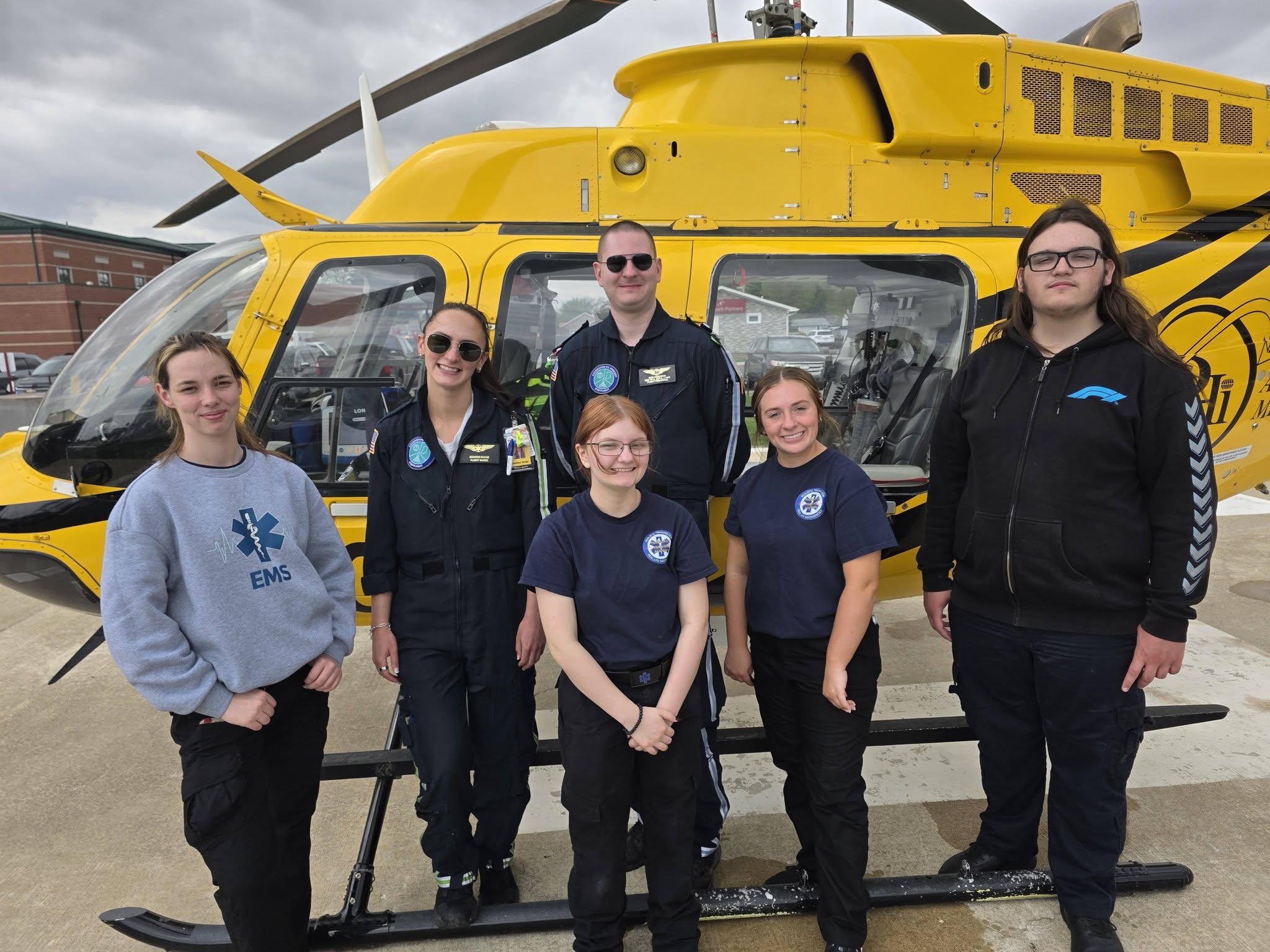
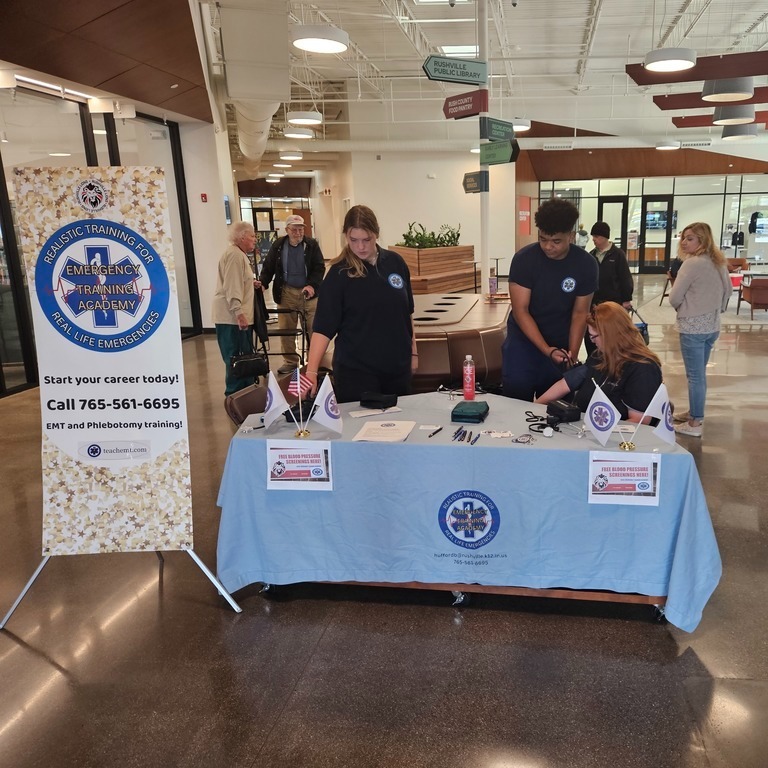
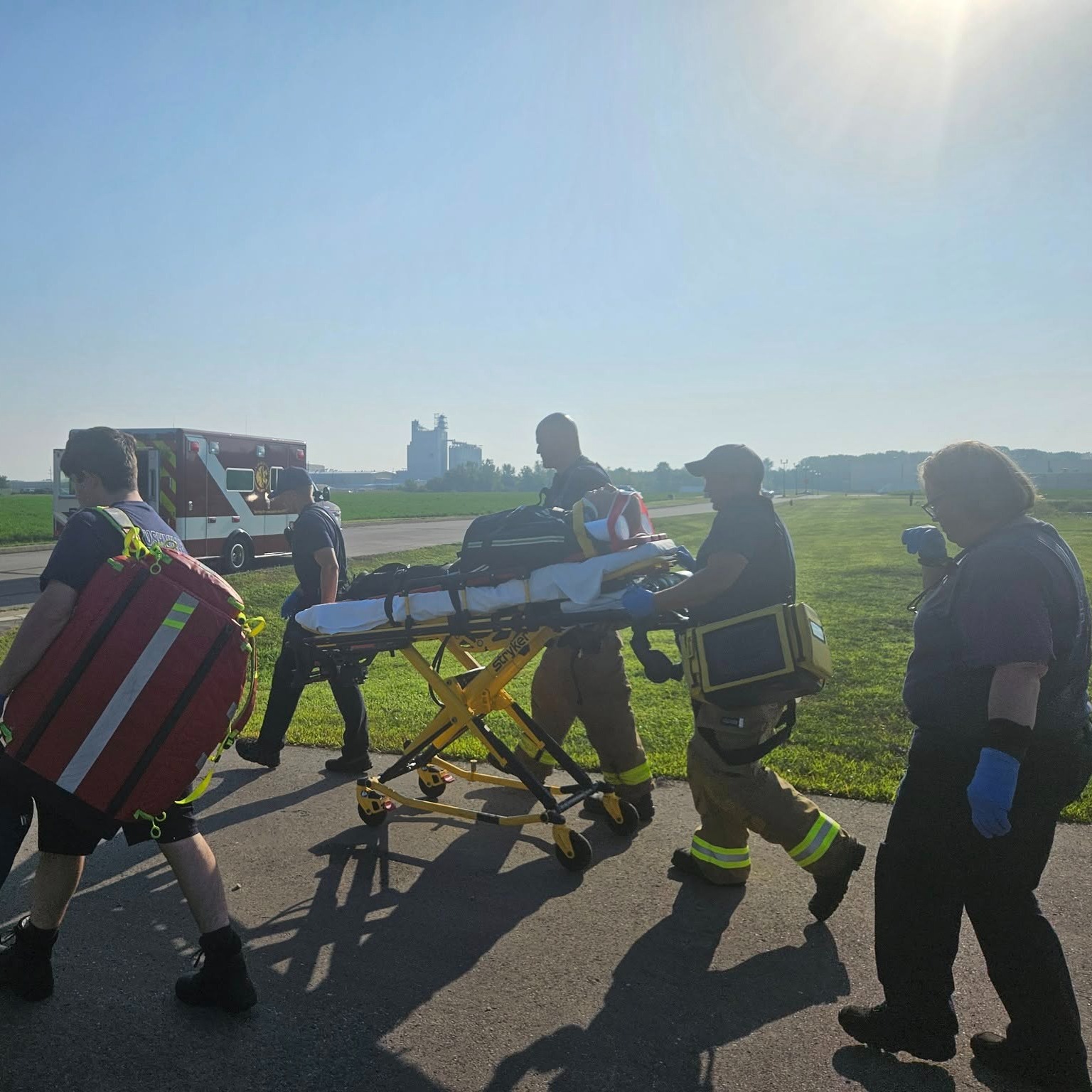

Available Grades 11 - 12
2 Credits, 2 Semesters Required
Prerequisites: None
Principles of Healthcare content examines skills common to specific health career topics such as patient nursing care, dental care, animal care, medical laboratory, public health, and an introduction to healthcare systems. Lab experiences are organized and planned around the activities associated with the student’s career objectives.
Available Grades 11 - 12
2 Credits, 2 Semesters Required
Prerequisites: Principles of Healthcare
Healthcare Fundamentals prepares students with language skills necessary for effective, independent use of health and medical reference materials. It includes the study of health and medical abbreviations, symbols, and Greek and Latin word part meanings, all taught within the context of body systems. Introduces cells, tissues, and human anatomy highlighting essential physiological principles through a systemic approach. Additionally, the course provides a general overview of basic concepts and terminology used in anatomy and physiology as applicable to health sciences and healthcare occupations. This course builds skills in pronouncing, spelling, and defining new words encountered in verbal and written information in the healthcare industry. Students have the opportunity to acquire essential skills for accurate and logical communication, and interpretation of medical records. Emphasis is on forming a foundation of a medical vocabulary including appropriate and accurate meaning, spelling, and pronunciation of medical terms, abbreviations, signs, and symbols.
Available Grades 11 - 12
2 Credits, 2 Semesters Required
Prerequisites: Healthcare Fundamentals
The Emergency Medical Technician (EMT) course is based on the training program developed by the Department of Transportation and the Emergency Medical Services Commission of Indiana. It covers theories, techniques, and operational aspects of pre-hospital emergency care within the scope and responsibility of the emergency medical technician (EMT). It requires laboratory practice and clinical observation in a hospital emergency room and ambulance. Successful completion of the course meets national requirements to test for certification as an NREMT.